
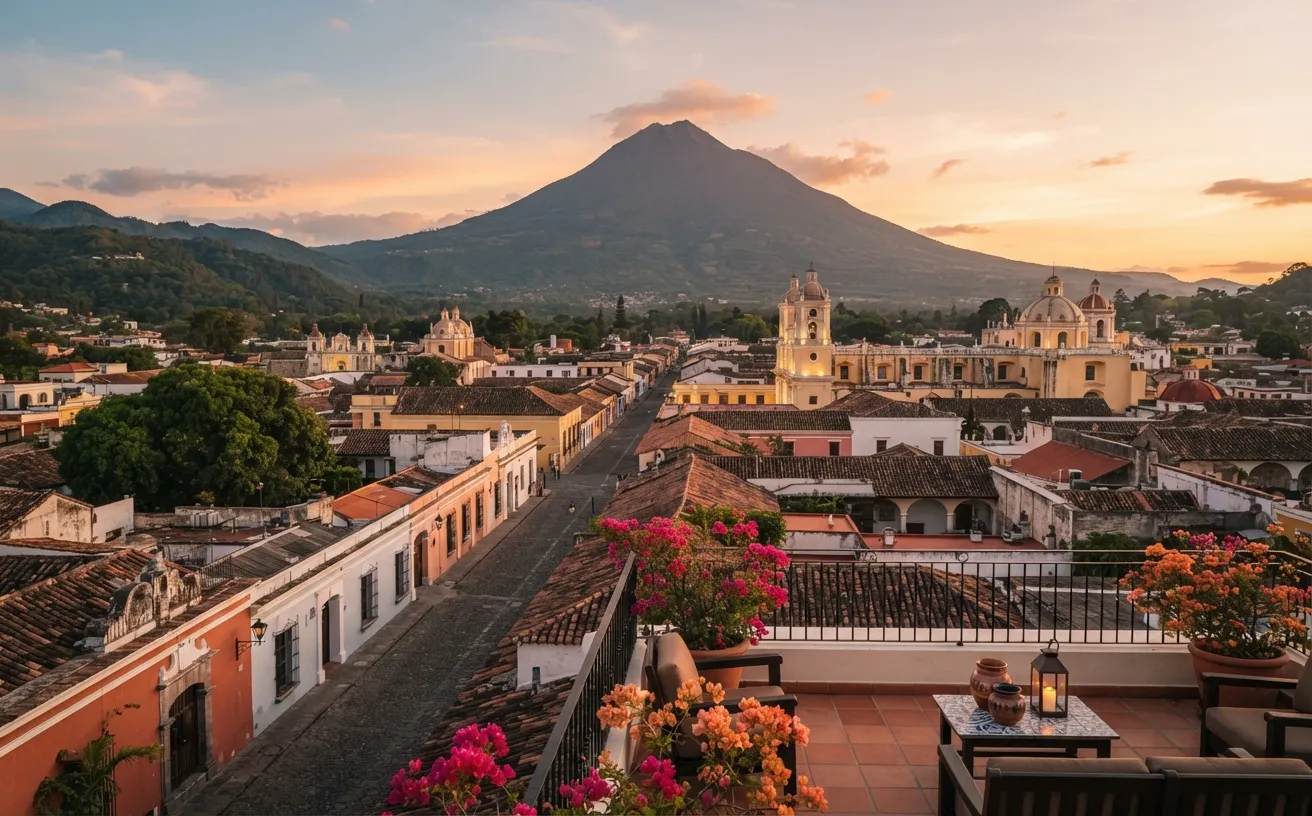
City overview
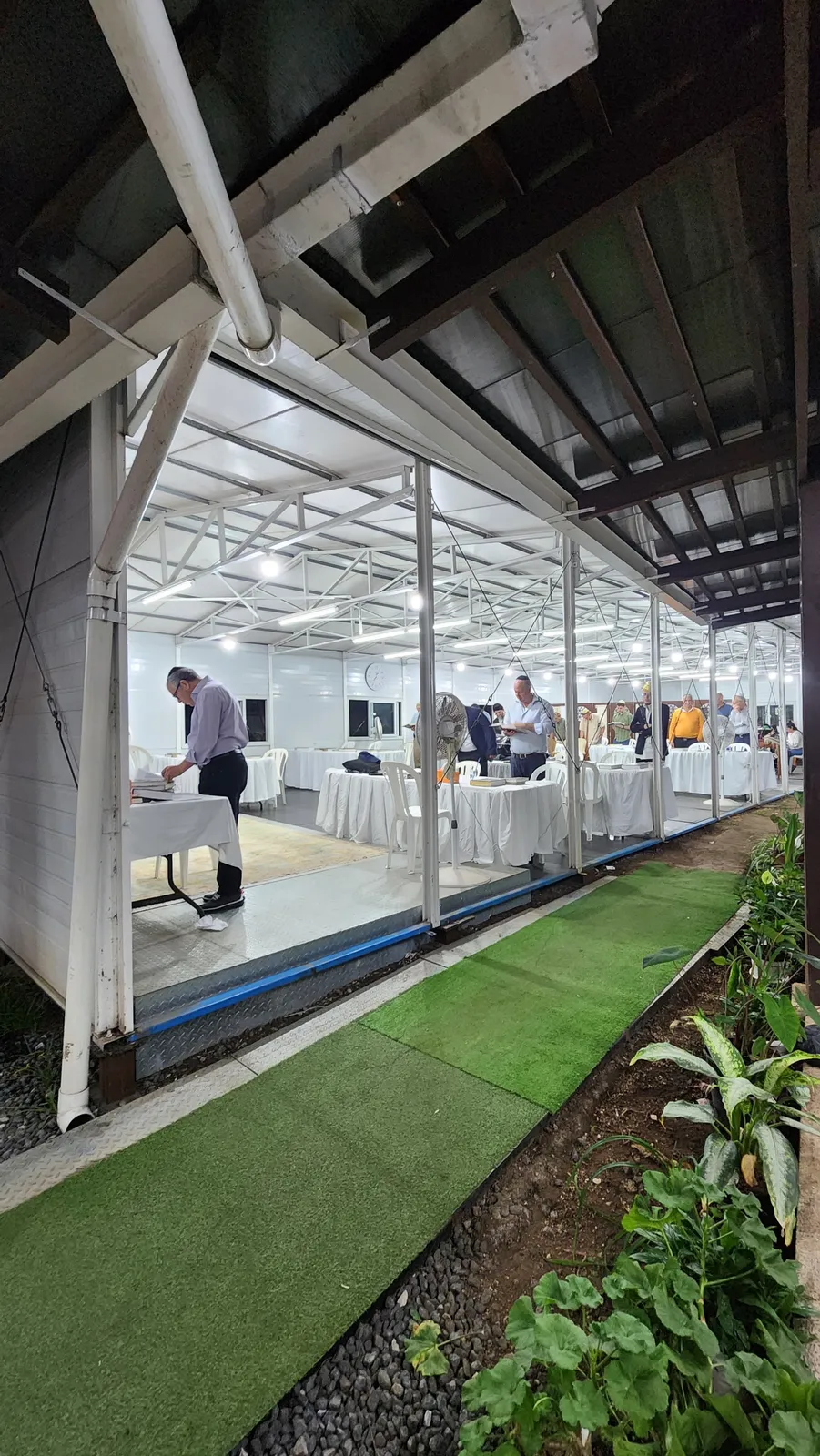
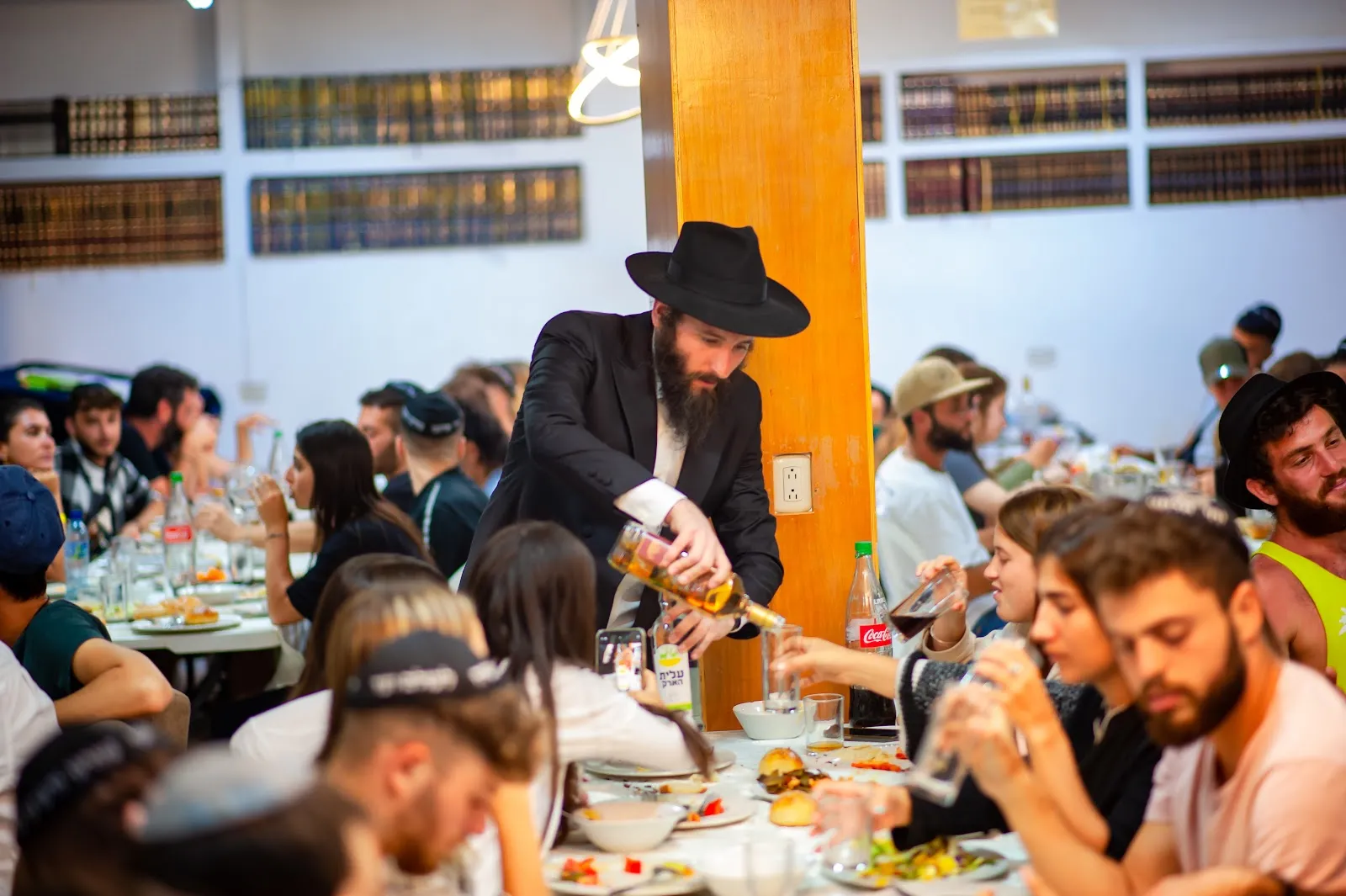
Guatemala packs volcanoes, Maya cities and colonial streets into a country you can cross in a day. Antigua's cobbled centre sits beneath three volcanoes, Lake Atitlan fills a crater ringed by Maya villages, and Tikal's temples rise out of the Peten rainforest. The Jewish community numbers under a thousand people, almost all of them in Guatemala City, where an Orthodox congregation and a Sephardi society have both been established for a century. Three Chabad houses serve travellers - one in the capital, one in Antigua and one on the shore of Lake Atitlan - and each of them cooks. Kosher food, Shabbos meals and a minyan are all reachable on the standard Guatemala route.
Chabad in Antigua, Guatemala
3 Chabad centers
Getting Around
Public transit
Tourist shuttle vans are the practical way to move between Antigua, Panajachel, Lanquin, Coban and Flores, and every hotel and agency sells seats on them.
Intercity Pullman coaches run the long routes to Peten and Izabal, while the painted former US school buses that Guatemalans call camionetas cover everything else cheaply and chaotically. On Lake Atitlan, public lanchas leave the Panajachel dock for San Pedro, San Juan, Santa Cruz, San Marcos and Santiago all day and are the only link between most villages. Guatemala City has the TransMetro and TransUrbano bus systems, though visitors rarely use them.
Rideshare
Uber operates in Guatemala City, Quetzaltenango, Escuintla and Guastatoya, and picks up at La Aurora International Airport.
Antigua and the Lake Atitlan villages are not on Uber's published city list, so drivers there are inconsistent - a capital-to-Antigua trip is usually accepted, the return is not. InDriver, where the passenger names a fare, also operates. In Antigua and around the lake, tuk-tuks and pre-booked shuttles fill the gap.
Car rental
All the international rental companies have counters at La Aurora International Airport and offices in Zona 10.
A car makes sense for the Pacific coast, Coban and the Verapaces; it makes much less sense in Antigua, where the cobblestones and one-way grid defeat most drivers, or on the steep single-track roads around Lake Atitlan. Roads to Tikal are paved and straightforward. Avoid driving intercity after dark, and expect police checkpoints that ask for a passport and licence.
Airport
La Aurora International Airport (GUA) sits 6.4 km south of central Guatemala City, in Zona 13, which puts it minutes from the Chabad House and the Zona 13 hotels and roughly an hour from Antigua by shuttle or car. It is the country's main gateway, with nonstops from Miami, Houston, Los Angeles, New York, Mexico City, Panama City and San Jose on United, American, Delta, JetBlue, Avianca and Copa. Uber is permitted to pick up at the terminal. For Tikal, Mundo Maya International Airport (FRS) in Santa Elena, next to Flores, takes daily flights from Guatemala City on Avianca Guatemala and TAG Airlines and is about an hour from the ruins.
Good to know
Best time to visit
November through April is the dry season, when highland days are warm, nights are cool and the volcano trails and lake crossings stay clear.
Insider tips
Carry quetzales in small notes - card acceptance thins out fast outside Guatemala City, Antigua and the resort hotels, and lancha boatmen, tuk-tuks and market stalls are cash only. Altitude is real: Guatemala City sits at about 1,500 m, Lake Atitlan at 1,560 m and Quetzaltenango at 2,330 m, so the first day is a slow one and nights are cold even in the dry season. Order kosher food ahead rather than on arrival - the Chabad kitchens in Guatemala City and Antigua both work to order, and the capital's Shabbos orders close on Thursday evening. Antigua is walkable end to end in twenty minutes but the cobbles punish wheeled luggage and smooth soles. Book Acatenango and Tikal sunrise trips before you arrive in high season, and treat Sunday as a partial closure day for museums in the capital.
Safety & emergency
Guatemala rewards ordinary big-city caution. Antigua, Lake Atitlan and the Peten tourist corridor are well travelled and heavily patrolled, while Guatemala City is best handled zone by zone - Zonas 9, 10, 13 and 14 are where visitors stay, and the historic centre in Zona 1 is a daytime destination. Use booked transport rather than street taxis at night, keep valuables out of sight on public buses, and carry small quetzal notes. Guatemala does not use 911. Tourist assistance (ASISTUR/POLITUR), which has English-speaking operators, is 1500. National Civil Police is 110 or 120. Volunteer firefighters are 122 and municipal firefighters 123. The Red Cross ambulance line is 125, and CONRED, the national disaster agency, is 119. All of these are free to dial from any phone, including a prepaid mobile with no credit.
Plug
Type A/B
120V
Currency
Quetzal
About Chabad in Antigua, Guatemala
Antigua, Guatemala has 3 Chabad centers.
Kosher map of Antigua, Guatemala
Pick a place on the map or search an address or hotel to see what is kosher around it.
Frequently asked about Antigua, Guatemala
Do I need a visa to visit Guatemala?
Citizens of the United States, Canada, the United Kingdom, Australia and the EU do not need a visa for tourism and are admitted for up to 90 days on arrival with a passport valid for the length of the stay. That 90-day allowance is shared across the CA-4 zone, which also covers El Salvador, Honduras and Nicaragua, so time spent in those countries counts against the same clock. Extensions are applied for at the immigration office in Guatemala City.
Can I drink the tap water?
No. Tap water is not potable anywhere in Guatemala, including in Antigua and the better hotels. Drink bottled or purified water, which every hotel and shop sells cheaply, and ask for drinks without ice at simpler places. Hotels and restaurants used to international visitors generally use purified water and ice as a matter of course.
What currency is used, and should I bring dollars?
The quetzal (GTQ) is the currency, and it is what you will need for tuk-tuks, boats, markets and small restaurants. US dollars are accepted at some hotels and tour operators but at poor rates. ATMs are common in Guatemala City, Antigua, Panajachel and Flores and are the cheapest way to get quetzales; bring some cash as a backup for the Verapaces and the smaller lake villages, where machines run empty.
How much should I tip?
Around 10 percent in restaurants, and check the bill first because a 10 percent propina is sometimes already added. Q10 to Q20 is normal for a hotel porter or a tuk-tuk driver who helps with bags, and Q50 to Q100 per person per day is a common range for a guide on a volcano hike or a full-day tour. Tipping is not expected in taxis or on Uber trips.
What language is spoken?
Spanish is the official language and is what you will use everywhere. More than twenty Maya languages are spoken alongside it, and around Lake Atitlan you will hear Tz'utujil and Kaqchikel daily. English is common in hotels, tour agencies and restaurants in Antigua, Panajachel and Flores, and much less so elsewhere.
What plugs and voltage does Guatemala use?
Type A and Type B sockets at 120V, 60Hz - the same as the United States and Canada, so North American devices work without an adapter or converter. Visitors from Europe, Israel or the UK need both a plug adapter and a device that handles 120V. Power cuts are brief but not rare outside the cities, so a charged power bank is worth carrying.
Is Guatemala safe for tourists?
The main tourist corridor - Antigua, Lake Atitlan, Flores and Tikal - is well travelled and has a dedicated tourist police presence. Guatemala City calls for more care and is best navigated zone by zone, sticking to Zonas 9, 10, 13 and 14 and treating Zona 1 as a daytime visit. Use booked transport at night rather than flagging a taxi, keep phones out of sight on public buses, and call 1500 for tourist assistance in English.
How do I get from the airport to Antigua?
Antigua is about 45 minutes to an hour from La Aurora International Airport depending on traffic. Shared shuttle vans meet arriving flights and run roughly hourly through the day, private transfers can be booked in advance, and Uber picks up at the terminal and will usually take the Antigua run. Coming back the other way, book a shuttle rather than relying on finding a ride in Antigua.
When is the best time to visit?
The dry season from November to April has the clearest skies, the best volcano views and the most reliable trail and boat conditions, with December and Easter week being the busiest and priciest. May to October is the rainy season, when mornings are usually clear and rain arrives in the afternoon, and September and October are the wettest. The highlands stay temperate year round; the Peten and the coast are hot and humid whatever the month.
How high is Guatemala, and will altitude affect me?
Guatemala City sits at about 1,500 m and Lake Atitlan at 1,560 m, both mild enough that most visitors notice only shortness of breath on stairs for a day. Quetzaltenango at 2,330 m is more noticeable. The volcano hikes are what catch people out: Acatenango tops out near 3,976 m, so take the overnight version rather than pushing it in a day, drink more water than feels necessary, and give yourself a day at lower altitude first.
Is Antigua walkable, and how do I get around it?
Yes - the historic centre is a compact grid you can cross on foot in about twenty minutes, and walking is how most visitors see it. The streets are original cobblestone, so bring shoes with grip and expect wheeled luggage to struggle. Tuk-tuks cover longer hops within town for a few quetzales, and shuttles or private drivers handle Hobbitenango, the coffee farms and the volcano trailheads.
How do I get around Lake Atitlan?
By boat. Public lanchas run from the Panajachel dock to San Pedro, San Juan, Santa Cruz, San Marcos and Santiago through the day, take cash in quetzales and leave when they fill rather than to a timetable. Service thins out in the late afternoon and stops after dark, so plan the last crossing early, especially on Friday. Roads link some villages but are slow, steep and far less direct than the water.
Where can I find kosher food in Guatemala?
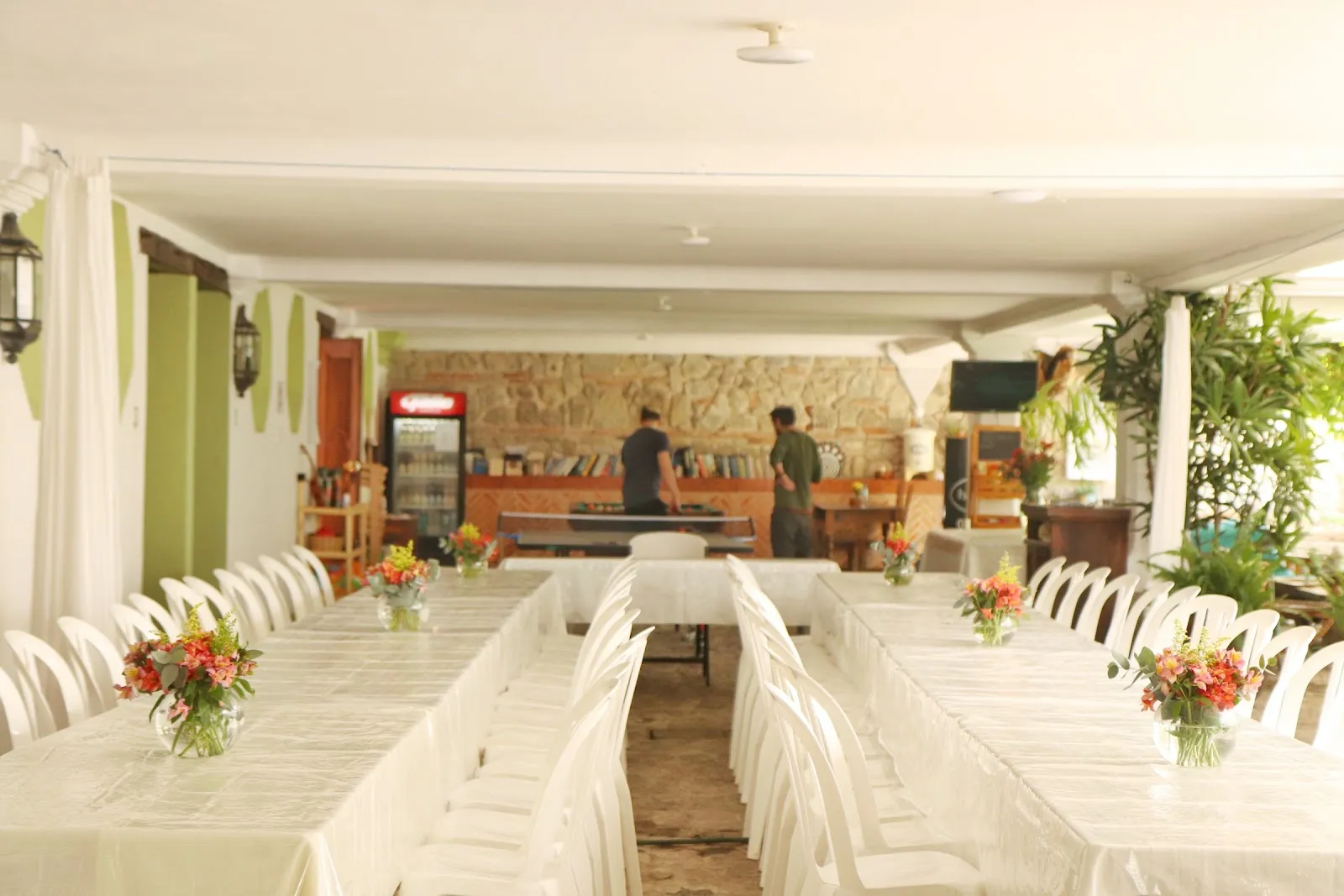
In three places, all of them Chabad kitchens. Guatemala City has a kosher deli and grocery, a bakery and a full prepared-meal service that delivers across the capital and as far as Antigua. Antigua has a sit-down kosher restaurant serving breakfast, lunch and dinner. San Pedro La Laguna, on Lake Atitlan, has a meat restaurant and a dairy espresso bar. Everything works to order, so give the kitchens notice - the capital closes Shabbos orders on Thursday evening.
All kosher listings in Antigua, Guatemala
Kosher restaurants, bakeries and groceries in Antigua, Guatemala (6)
- Daria's Kitchen at Beit Chabad Antigua
Meat and pareve kitchen inside the Chabad House · Antigua Guatemala
- Chabad House Restaurant, San Pedro La Laguna
Meat restaurant at Chabad of Pedro · San Pedro La Laguna, Lake Atitlán
- Kosher Food at Chabad Guatemala
Prepared kosher meals for pickup or delivery · Zona 13, Guatemala City
- Chabad Guatemala Bakery
Kosher bakery in Zona 13 · Zona 13, Guatemala City
Shuls and minyanim in Antigua, Guatemala (5)
- Chabad Lubavitch of Guatemala
Chabad-Lubavitch, Nusach Ari · Zona 13, Guatemala City
- Beit Chabad Lubavitch Antigua Guatemala
Chabad-Lubavitch, Nusach Ari · Antigua Guatemala
- Chabad of Pedro
Chabad-Lubavitch, Nusach Ari · San Pedro La Laguna, Lake Atitlán
- Sinagoga Shaarei Binyamin
Orthodox, Ashkenazi — the synagogue of the Centro Hebreo · Zona 9, Guatemala City
Shabbos meals in Antigua, Guatemala (3)
- Shabbos Meals at Beit Chabad Antigua
Friday night dinner and Shabbos lunch, by reservation · Antigua Guatemala
- Shabbos Hospitality at Chabad Lubavitch of Guatemala
At the rabbi's table in Zona 13 · Zona 13, Guatemala City
- Shabbos and Yom Tov Meals at Chabad of Pedro
Lakeside Shabbos meals, by registration · San Pedro La Laguna, Lake Atitlán
Chabad centers in Antigua, Guatemala (3)
- Chabad Lubavitch of Guatemala
Zona 13, Guatemala City
- Beit Chabad Lubavitch Antigua Guatemala
Antigua Guatemala
- Chabad of Pedro
San Pedro La Laguna, Lake Atitlán