
City overview
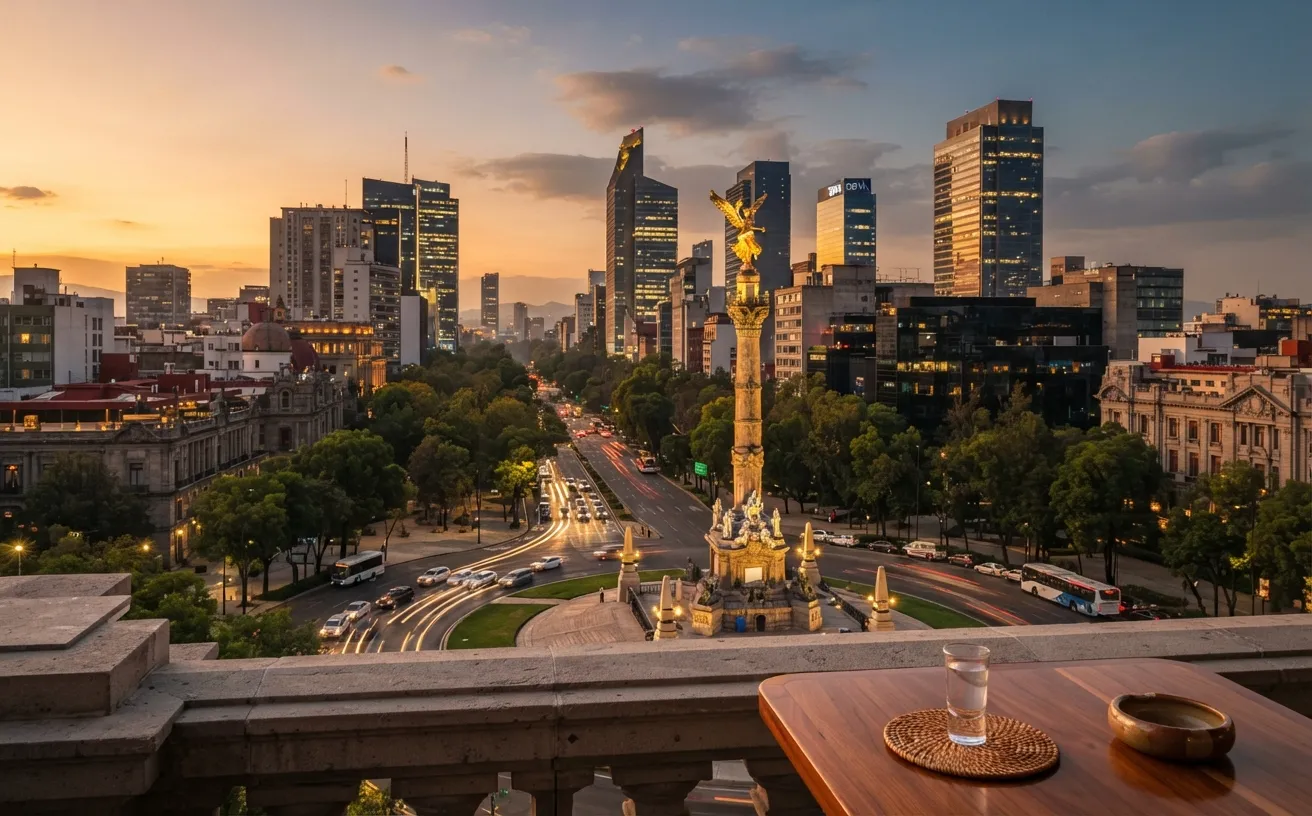
Mexico City is one of the great capitals of the Americas — a high-altitude metropolis where Aztec ruins sit under colonial palaces, world-class museums line a forest twice the size of Central Park, and the food runs from street tacos to tasting menus that draw travellers across a continent. It is also home to one of the largest and most organised Jewish communities in Latin America, roughly 40,000 people spread across Ashkenazi, Maguén David, Monte Sinaí and Sephardi kehilot. The community is concentrated in a ribbon of neighbourhoods running west from Polanco through Lomas de Chapultepec, Tecamachalco and Bosques de las Lomas out to Interlomas — which is where the synagogues, the kosher restaurants and the kosher supermarkets are. Polanco is where visitors stay, and it puts you within walking distance of a Chabad House, several batei knesset and a dense cluster of certified kosher dining. Few cities in the world combine this much to see with this much kosher infrastructure.
Chabad in Mexico City
1 Chabad center
Getting Around
Public transit
The Metro is the fastest way across the city and one of the cheapest in the world at 5 pesos a trip, a fare the city government has held for 2026.
You pay with a Tarjeta de Movilidad Integrada, the contactless card that also works on the Metrobús, Trolebús and Cablebús. The Metrobús runs in dedicated lanes along the major avenues and its Line 4 is the airport route. Neither system reaches the Tecamachalco, Bosques or Interlomas kosher cluster, which is served by road only.
Rideshare
Uber, DiDi and Cabify all operate legally across Mexico City and are the usual way visitors move around, particularly out to the western suburbs.
Unlike Cancún and Los Cabos, they are permitted to pick up at the airport, though pickups happen on the exterior roadways rather than at the terminal doors. The community also runs its own service, UMD — Uber Maguen David — an app with Jewish drivers.
Car rental
All the major international agencies operate at both airports and in Polanco.
A car is genuinely useful for the day trips to Teotihuacán, Puebla or Cuernavaca and for moving between the Polanco and Interlomas kosher clusters, but it is a liability inside the city centre, where traffic is heavy, parking is scarce and the Hoy No Circula programme bars some vehicles from the road on a given weekday according to their plate.
Airport
Aeropuerto Internacional Benito Juárez (AICM) is the main gateway, at Av. Capitán Carlos León S/N, Peñón de los Baños, about 12 kilometres east of Polanco — anywhere from 30 minutes to well over an hour depending on traffic. It has two terminals linked by the Aerotrén monorail, a five-minute ride running 5:00 AM to 11:00 PM for which you need a boarding pass. Metrobús Line 4 serves the airport directly. A second airport, Aeropuerto Internacional Felipe Ángeles (AIFA), sits about 45 kilometres north in Zumpango, State of Mexico, and carries a growing share of domestic and some international traffic; it is considerably further from the Jewish neighbourhoods, so check which airport your ticket uses before booking a transfer.
Good to know
Best time to visit
March through May brings the warmest, driest weather, before the afternoon rains that fall almost daily from June to September.
Insider tips
Mexico City sits at about 2,240 metres — roughly 7,350 feet — and the altitude is real: take the first day slowly, drink more water than you think you need, and go easy on alcohol until you have adjusted. Drink bottled or filtered water rather than from the tap. Synagogues here operate tight security and most are not set up for walk-in visitors, so arrange your visit in advance through the community or the Chabad House rather than arriving unannounced, and carry photo identification. Tipping runs about 10 to 15 per cent in restaurants. Spanish is the working language and English is common in Polanco hotels but much less so elsewhere. If you need a hot plate for Shabbat, the Jerusalem Judaica store on Avenida Homero sells them. There is no luggage storage at the Chabad House, but services such as Stasher, Bounce and WeKeep operate in the city.
Safety & emergency
Mexico City rewards the same city sense you would use in any large capital: stay alert on the Metro at rush hour, use registered taxis or a ride-hailing app rather than hailing on the street, and keep phones out of sight in crowds. Polanco, Lomas de Chapultepec, Bosques and Interlomas — where most kosher travellers stay — are among the city's most secure districts, with private security on most blocks. The national emergency number is 911, answered 24 hours a day and free from any phone. Locatel, Mexico City's own assistance line, is 55 5658 1111 and handles hospital enquiries, missing persons and general orientation. Ángeles Verdes, the roadside assistance and tourist-help service, is 078. The federal tourism assistance line is 800 008 9090. The United States embassy in Mexico City can be reached on +52 55 5080 2000.
Plug
Type A/B
127V
Currency
Mexican Peso
About Chabad in Mexico City
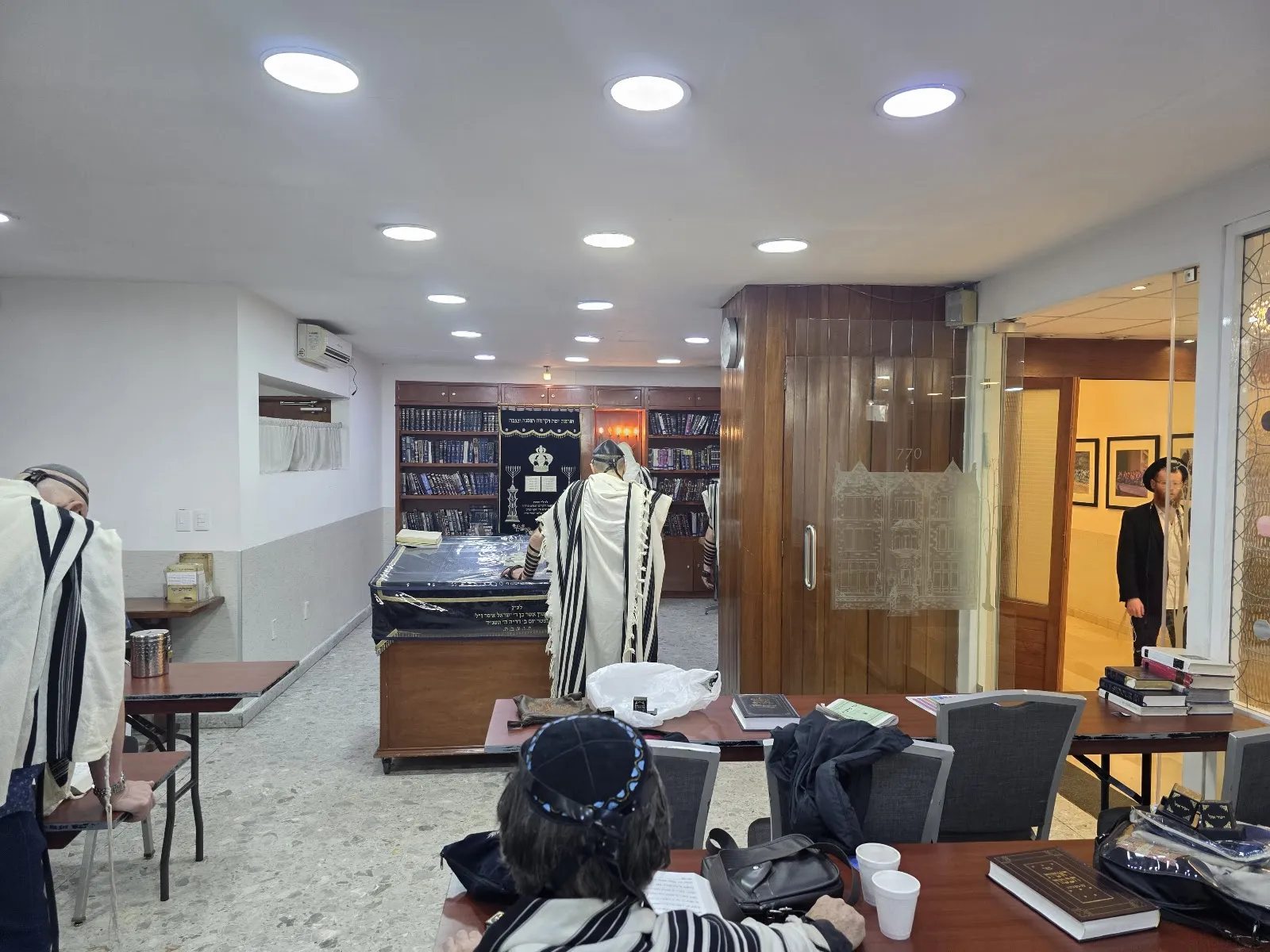
Mexico City has 1 Chabad center.
Kosher map of Mexico City
Pick a place on the map or search an address or hotel to see what is kosher around it.
Frequently asked about Mexico City
Is there kosher food in Mexico City?
Yes — Mexico City has one of the largest kosher scenes in Latin America, with well over a hundred certified establishments. The main clusters are in Polanco, Tecamachalco, Bosques de las Lomas and Interlomas, and they cover meat and dairy restaurants, bakeries, butchers, caterers and full kosher supermarkets.
Is there an eruv?
Yes. An eruv covers Polanco, Lomas, Tecamachalco, Interlomas, Bosques and Bosque Real. Status can change week to week, so confirm before Shabbat on the community's dedicated WhatsApp line, +52 56 2452 1110.
Can I just walk into a synagogue?
Usually not. Synagogues in Mexico City operate tight security and most are not set up for unannounced visitors. Arrange your visit in advance through the community or the Chabad House, and bring photo identification.
Do I need a visa?
Citizens of the United States, Canada, the United Kingdom, the European Union and many other countries do not need a visa for tourist stays and are admitted on presentation of a passport. Check your own nationality's requirements before travelling, as rules change.
Can I drink the tap water?
No. Stick to bottled or filtered water, which every hotel and restaurant provides, and use it for brushing teeth as well.
How bad is the altitude?
Mexico City sits at about 2,240 metres, roughly 7,350 feet. Most visitors feel it as breathlessness on stairs and a lower tolerance for alcohol during the first day or two. Take the first day slowly and drink plenty of water.
What currency is used and are cards accepted?
The Mexican peso (MXN). Cards are accepted almost everywhere in Polanco and the western suburbs, but carry some cash for markets, taxis and small vendors.
How much should I tip?
About 10 to 15 per cent in restaurants. Small tips are usual for porters, parking attendants and the people who help you park on the street.
What language is spoken?
Spanish. English is widely spoken in Polanco hotels and in the international business districts, but far less so elsewhere in the city.
What plugs and voltage are used?
Type A and Type B sockets at 127V, 60Hz — the same as the United States and Canada, so no adapter is needed for North American devices.
How do I get around?
Uber, DiDi and Cabify all operate legally and are the usual choice, especially for reaching the Tecamachalco, Bosques and Interlomas kosher cluster, which public transport does not serve. The Metro is fast and costs 5 pesos a trip, paid with a Tarjeta de Movilidad Integrada. The community also runs its own app, UMD (Uber Maguen David), with Jewish drivers.
Which airport should I fly into?
Aeropuerto Internacional Benito Juárez (AICM) is the main one and much closer to the Jewish neighbourhoods, about 12 kilometres east of Polanco. Aeropuerto Internacional Felipe Ángeles (AIFA) is about 45 kilometres north in Zumpango and carries a growing share of traffic, but it is a considerably longer transfer. Check which one your ticket uses.
Can I get a ride-hailing car at the airport?
Yes. Unlike Cancún and Los Cabos, Mexico City permits Uber, DiDi and Cabify to pick up at the airport, though pickups happen on the exterior roadways rather than at the terminal doors.
Where can I buy a hot plate for Shabbat?
The Jerusalem Judaica store on Avenida Homero in Polanco sells them. The Chabad House does not lend them out.
Is there a mikvah?
Yes. Mikvah Mei Sara is a women's mikvah at Chabad Tecamachalco, about a twenty-minute drive from Polanco. Appointments are made with Raquel Sued on +52 55 1951 3433.
Where can I leave my luggage between checkout and my flight?
There is no luggage storage at the Chabad House, but Stasher, Bounce and WeKeep all operate in Mexico City.
All kosher listings in Mexico City
Kosher restaurants, bakeries and groceries in Mexico City (159)
- Alegra
Bosques
- Alegra Express
Bosques
- Auguri Kosher Trattoria
Lomas de Chapultepec
- Burger Bar 106
Interlomas
Shuls and minyanim in Mexico City (24)
- Chabad Lubavitch Mexico City
Chabad-Lubavitch · Polanco
- Bet Hakneset Maguen David
Polanco
- Beth Yitzak
Polanco
- Beth Moshe Tennyson
Polanco
Shabbos meals in Mexico City (2)
- Shabbat Meals at Chabad Lubavitch Mexico City
Friday night dinner and Shabbat lunch in Polanco · Polanco
- Lasova Shabbat Takeout
Pre-ordered Shabbat food in Tecamachalco · Tecamachalco