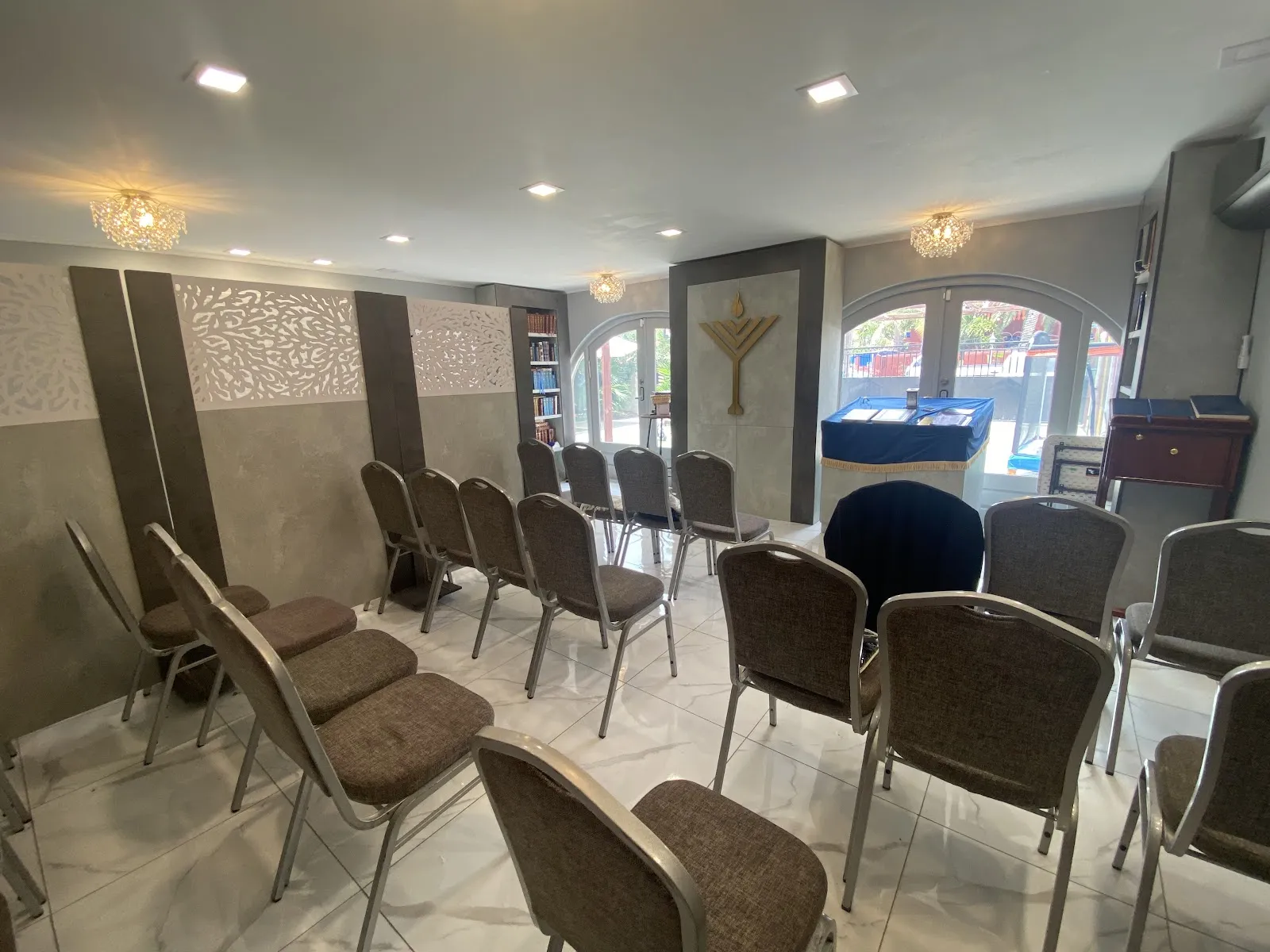
Shabbos meals at the Chabad house, and Shabbos food to take away
Salina Cerca 31C, Noord, Aruba

Caribbean
Kosher Guide to Aruba
City overview
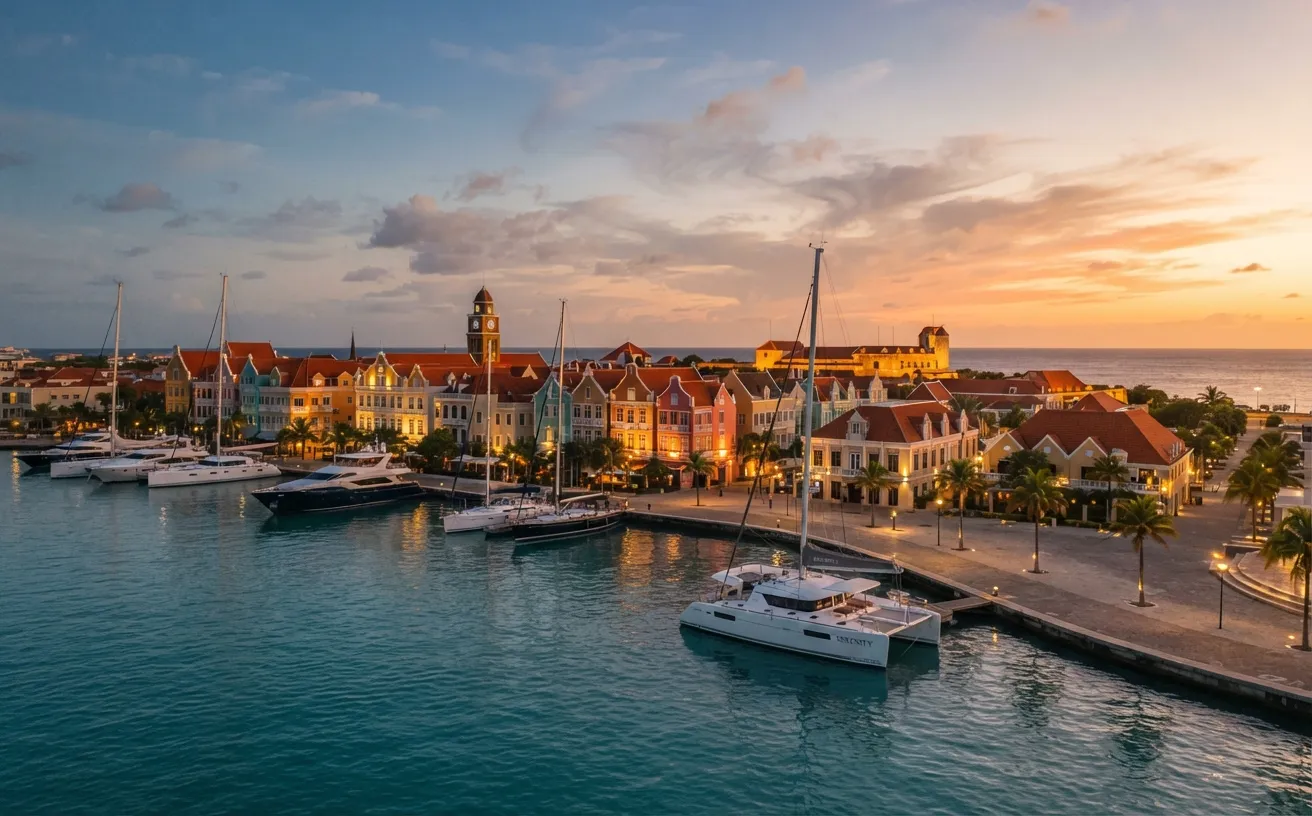
Aruba sits 15 miles off the coast of Venezuela, outside the hurricane belt, with reliable sunshine, constant trade winds and some of the widest white-sand beaches in the Caribbean. The island is a constituent country of the Kingdom of the Netherlands, and Dutch order meets Caribbean warmth in a place small enough to cross by car in under an hour — resort strips along Palm and Eagle Beach on the west coast, a rugged cactus desert and wind-battered north shore behind them. Jewish life is concentrated in Noord, where Chabad Aruba has grown since 2013 into a community of roughly 150 people, and the island now supports year-round kosher dining for the first time.
2 Shabbos meal options
Eruv
There is no eruv anywhere in Aruba. Visitors staying on the island over Shabbos should plan accordingly and make arrangements before candle lighting — nothing may be carried between a hotel room and the street, or along the beach, on Shabbos.
Shabbos meals at the Chabad house, and Shabbos food to take away
Salina Cerca 31C, Noord, Aruba
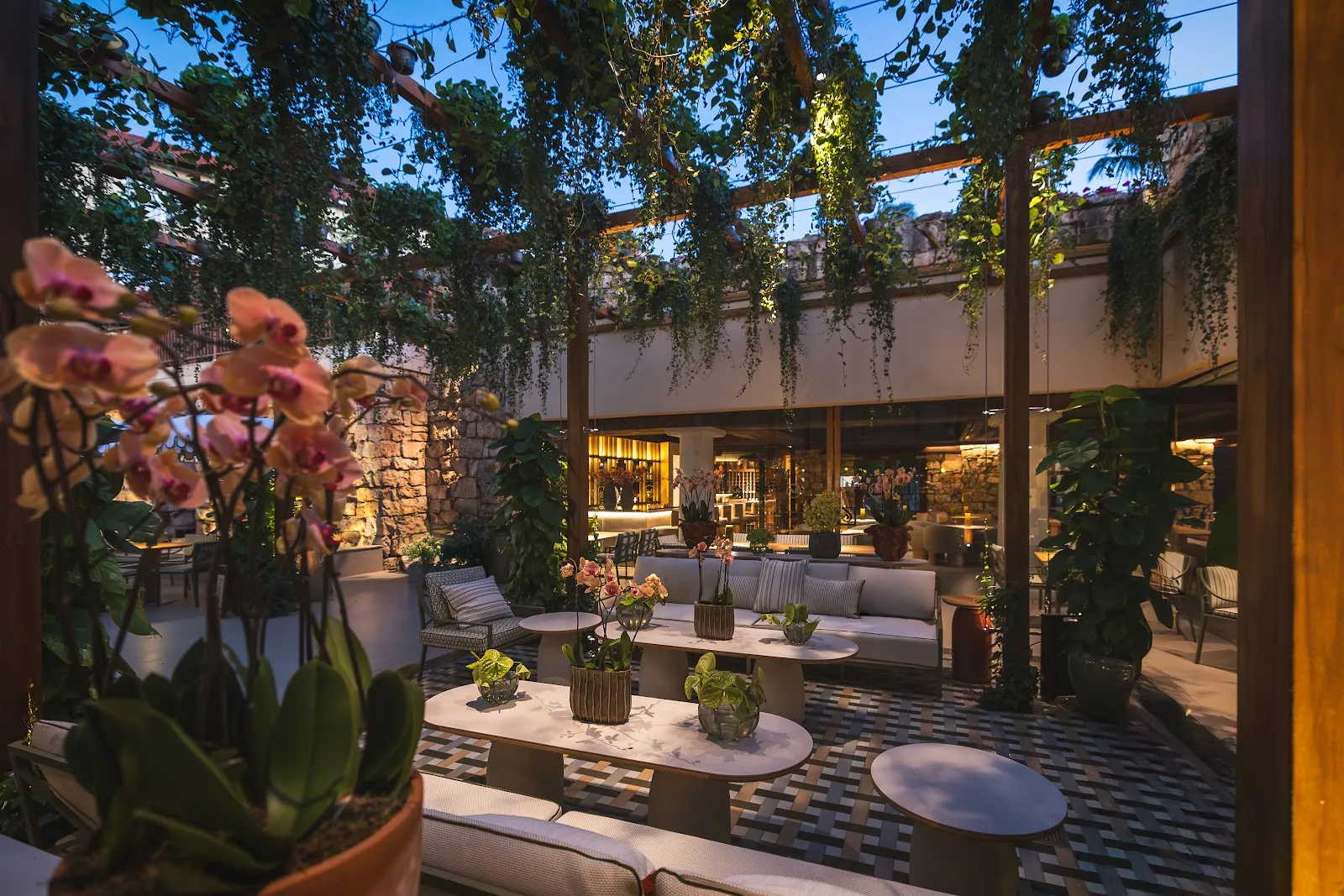
Friday night Shabbos dinner in a restaurant setting
Hyatt Regency Aruba Resort Spa & Casino, J.E. Irausquin Boulevard 85, Palm Beach, Noord, Aruba
Aruba has 2 Shabbos meal options for visitors.
Pick a place on the map or search an address or hotel to see what is kosher around it.
US, Canadian, UK and EU citizens do not need a visa for tourist stays; a valid passport, proof of onward travel and accommodation details are required. All arriving travellers must complete Aruba's online Embarkation/Disembarkation (ED) card before arrival.
Yes. Aruba's tap water is desalinated seawater, held to World Health Organization standards, and is safe to drink straight from the tap across the island. Bottled water is widely sold but unnecessary.
The Aruban Florin (AWG) is the local currency, but US dollars are accepted essentially everywhere — hotels, restaurants, shops and taxis — at a stable rate. Change is often given in florins. Credit cards are accepted almost universally.
Many restaurants add a service charge of around 10–15 percent to the bill; check before adding more. Where none is included, 15–20 percent is standard. Taxi drivers are typically tipped around 10 percent, and hotel housekeeping a few dollars a day.
Papiamento is the everyday language and Dutch is the other official language, but English is spoken fluently across the tourism industry and by most Arubans, and Spanish is widely understood. Visitors will have no language difficulty.
Aruba uses Type A and Type B outlets at 127V, 60 Hz — the same plugs as the United States and Canada, and close enough in voltage that US appliances work without a converter. Travellers from Europe, the UK or Israel need an adapter.
No. There is no eruv anywhere on the island, so nothing may be carried outdoors on Shabbos.
Aruba lies outside the Caribbean hurricane belt and is very rarely affected by tropical storms, which is why the island stays a viable destination through the autumn months when much of the region is at risk.
Aruba is relaxed but not casual about dress away from the beach — swimwear is for the sand and pool, and covering up is expected in shops and restaurants. Greetings matter: a 'bon dia' or good morning before asking a question goes a long way. Aruba is one of the safest islands in the region and the atmosphere reflects that.
Yes. Travellers routinely bring kosher meat, poultry and dry goods from the United States into Aruba without difficulty.
Contemporary kosher steakhouse · Palm Beach, Noord
Beachfront kosher pizza and salads · Palm Beach, Noord
Kosher store at the Chabad centre · Noord
Resort market with a certified kosher grab-and-go selection · Palm Beach, Noord
Shabbos meals at the Chabad house, and Shabbos food to take away
Friday night Shabbos dinner in a restaurant setting