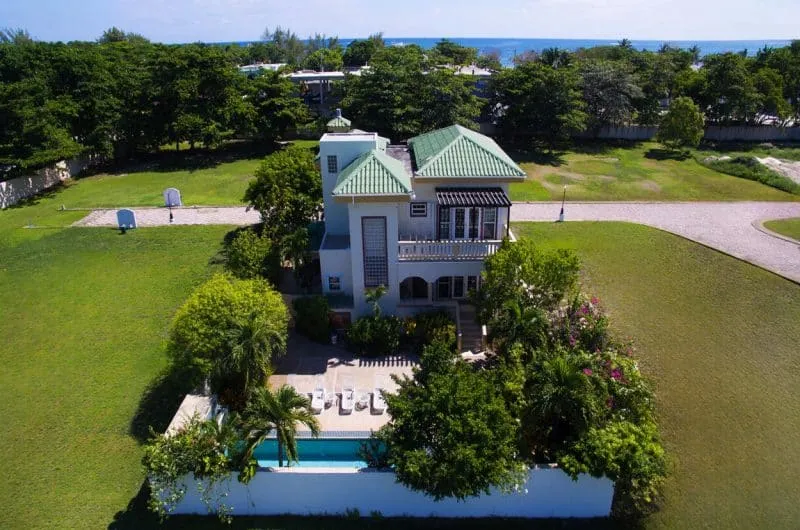
Friday night and Shabbat day meals in San Pedro
Mullet Street, San Pedro, Belize

Central America
Kosher Guide to Belize
City overview
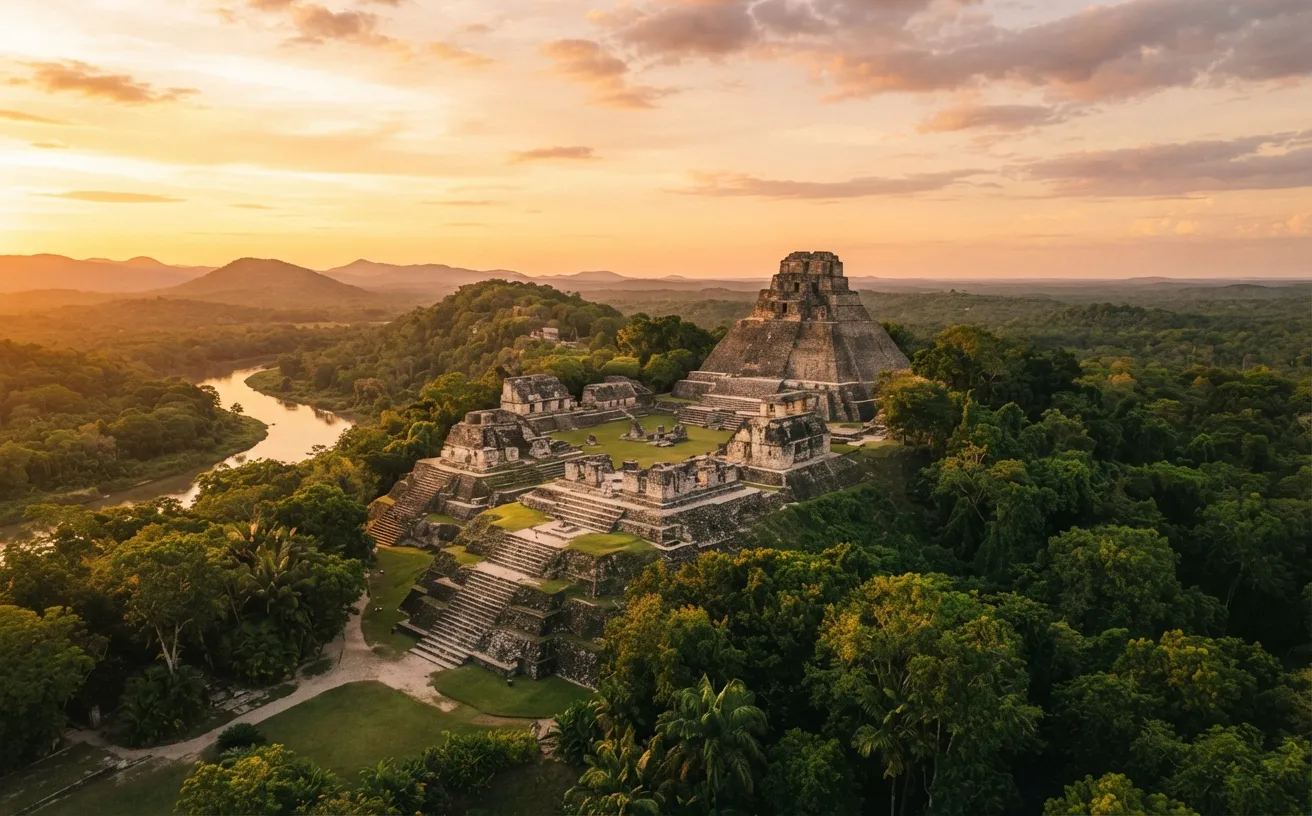
Belize is the only English-speaking country in Central America, and it packs an improbable amount into an area smaller than Massachusetts: the second-largest barrier reef in the world running the length of its coast, hundreds of cayes and three offshore atolls, and a jungle interior full of Maya cities and river caves that were used as ceremonial spaces more than a thousand years ago. Most visitors split their time between an island and the mainland, flying or taking a water taxi between them. The Jewish presence is small and recent. Chabad of Belize opened in San Pedro on Ambergris Caye in 2016 and remains the country's only Jewish institution, serving a handful of local families and a steady stream of travellers. It runs the country's only kosher restaurant, holds Shabbat and holiday services and meals, and is the practical starting point for any observant visitor planning a trip here.
1 Shabbos meal option
Eruv
There is no eruv anywhere in Belize, including in San Pedro where the Chabad House stands, so nothing may be carried outdoors on Shabbat. Anyone staying beyond walking distance of Mullet Street should plan accordingly, and the hotels closest to the Chabad House are all within a two-to-eight-minute walk along the Sea Grape Drive and Coconut Drive stretch just south of the town centre.
Friday night and Shabbat day meals in San Pedro
Mullet Street, San Pedro, Belize
Belize has 1 Shabbos meal option for visitors.
Pick a place on the map or search an address or hotel to see what is kosher around it.
Citizens of the United States, Canada, the United Kingdom, the European Union and most Commonwealth countries do not need a visa for tourist stays and are normally admitted for up to 30 days, extendable at an immigration office. You will need a passport valid for the length of your stay and proof of onward travel. Belize now uses a free online arrival and departure declaration that you complete before you travel, so fill that in before leaving home. Requirements change, so check with a Belizean consulate or the immigration authority for your own nationality before booking.
The Belize dollar (BZD) is fixed at BZ$2 to US$1, a peg in place since 1976. US dollars are accepted almost everywhere at that rate, and ATMs dispense Belize dollars. Bring some cash — smaller restaurants, market stalls, water taxis and golf-cart rentals often prefer it, and card acceptance thins out away from the resorts. The one thing to watch is that a price written with a dollar sign can mean either currency, so ask which one before you agree.
In San Pedro, Caye Caulker and the main tourist towns the tap water is treated and most hotels supply filtered drinking water. Even so, the great majority of visitors stick to bottled or filtered water, which is cheap and sold everywhere, and that is the safer habit outside the main towns and in rural Cayo and Toledo.
English is the official language and the language of government, schooling and business — Belize is the only country in Central America where that is the case, so you will not need a phrasebook. Belizean Kriol is the everyday spoken language for much of the population, and Spanish, Garifuna, Mandarin and the Maya languages Mopan, Q'eqchi' and Yucatec are all widely spoken.
No, if you are coming from the United States or Canada. Belize uses the same Type A and Type B flat-pin plugs at 110 volts, 60 Hz. Travellers from Europe, the UK, Australia or Israel will need a plug adapter, and should check that their devices handle 110 volts.
Tipping is customary but modest. Around 10 to 15 percent is normal in restaurants where service is not already added — check the bill, since many hotels and resorts add a service charge. A few dollars per bag for porters, a few dollars per day for housekeeping, and roughly 10 to 15 percent for tour guides and dive masters are all standard. Taxi fares are negotiated rather than metered and are not usually tipped on top.
Yes, but only in one place. KOSHER VIP, a kosher meat restaurant serving Israeli food, operates at the Chabad House on Mullet Street in San Pedro, Sunday to Thursday, and asks that orders be placed a day ahead. Chabad of Belize also prepares weekday kosher food and Shabbat and holiday meals by advance registration. Nowhere else in the country has a kosher establishment, so anyone travelling to the mainland, Caye Caulker or the southern cayes should plan to bring food or self-cater.
No. There is no eruv anywhere in Belize, including San Pedro.
No. There is currently no active mikvah anywhere in Belize.
No. Uber, Lyft, DiDi and inDrive do not operate anywhere in Belize. Licensed taxis, which carry green licence plates, are the alternative on the mainland, and they are unmetered — agree the fare before you get in. On Ambergris Caye and Caye Caulker, golf-cart taxis do the same job, and most visitors simply rent a golf cart for the length of their stay.
The simplest route is a short domestic flight. Tropic Air and Maya Island Air both fly from Philip Goldson International Airport (BZE) to San Pedro in about 15 minutes, and the connection is designed for arriving international passengers. The cheaper alternative is a taxi into Belize City and a water taxi from the Belize Marine Terminal at 111 North Front Street, which takes about 90 minutes to San Pedro via Caye Caulker.
It depends entirely on where you are going. On Ambergris Caye and Caye Caulker there are almost no cars at all — golf carts, bicycles and walking cover everything. On the mainland a rental car gives you far more freedom around Cayo, the Hummingbird Highway, Hopkins and Placencia, and four-wheel drive is worth having for the Mountain Pine Ridge and the road to Caracol. Driving is on the right.
Two ways: water taxi or plane. San Pedro Belize Express runs boats between Belize City, Caye Caulker and San Pedro, and a separate international service links Chetumal in Mexico with San Pedro and Caye Caulker. Tropic Air and Maya Island Air fly the same routes in a fraction of the time and also serve Corozal, Dangriga, Placencia and Punta Gorda from Belize City.
Late November through April is the dry season, with the most reliable sunshine, calmest water and best diving visibility — and the highest prices, particularly over Christmas and Easter. June to November is hotter and wetter and coincides with the Atlantic hurricane season, but brings lower rates and thinner crowds. May and early June are a reasonable compromise.
The main tourist areas — Ambergris Caye, Caye Caulker, Placencia, Hopkins and San Ignacio — are generally calm and easy to walk around. Belize City needs more care, especially after dark and outside the Fort George and waterfront districts. The usual precautions apply: keep valuables out of sight, use licensed green-plate taxis, and do not leave things unattended on the beach. The emergency number is 911.
Most archaeological reserves are run by the Institute of Archaeology and open daily from 8:00 AM to 5:00 PM, including Sundays and public holidays, with fees payable in Belize dollars and now bookable online. Actun Tunichil Muknal, the cave with the calcified remains, may only be entered with a certified guide, and cameras and recording devices of any kind are banned inside. Bring water, closed shoes and insect repellent, and start early — the middle of the day is punishing at the larger sites.
Israeli home cooking at the Chabad House · San Pedro, Ambergris Caye
General supermarket, San Pedro · San Pedro, Ambergris Caye
Produce and imported groceries, San Pedro · San Pedro, Ambergris Caye
General supermarket, San Pedro · San Pedro, Ambergris Caye
Chabad-Lubavitch, Nusach Ari · San Pedro, Ambergris Caye
Friday night and Shabbat day meals in San Pedro · San Pedro, Ambergris Caye