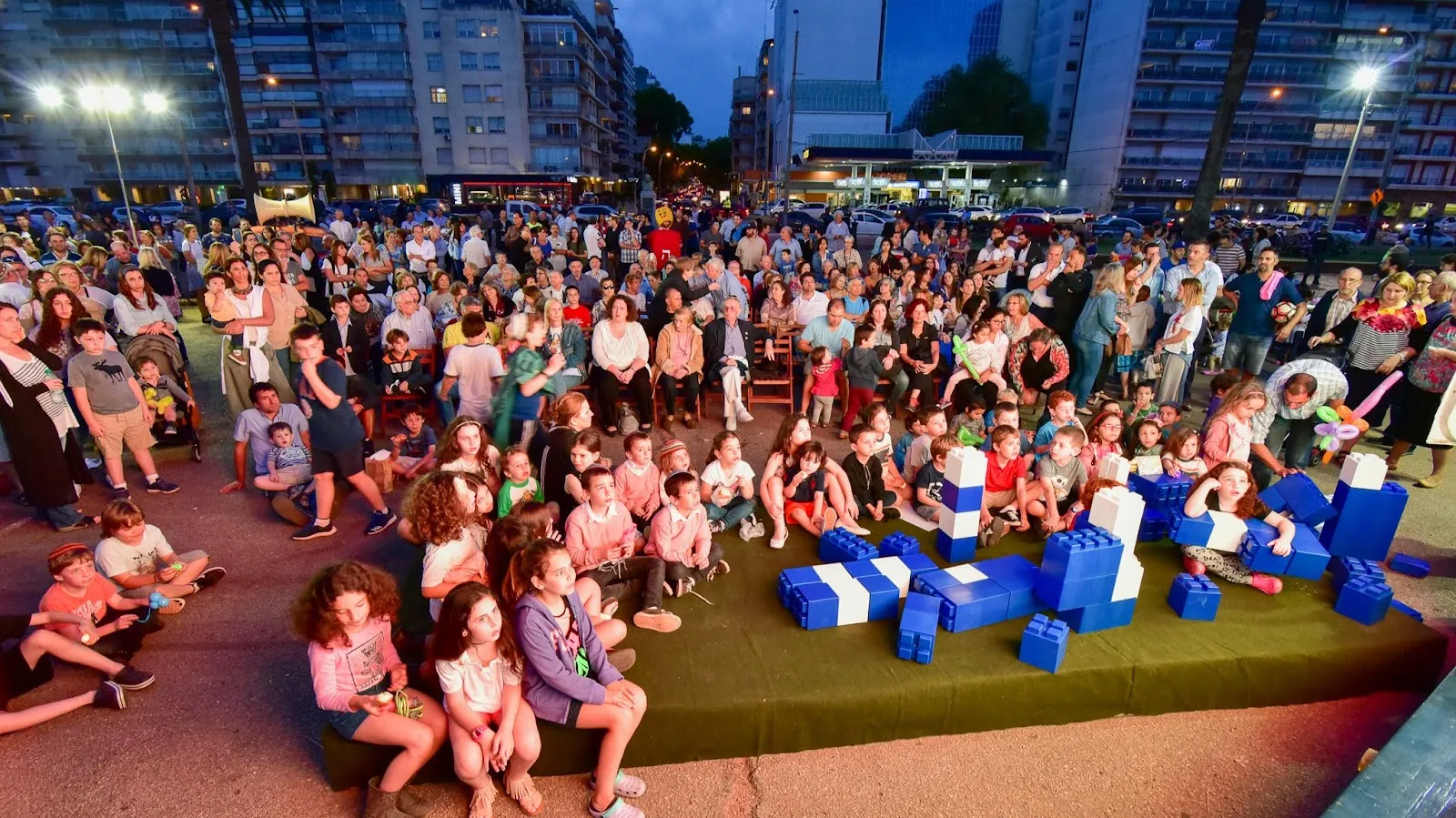
Beit Jabad Uruguay
Nusach Ari (Chabad)Guayaqui 3193, 11300 Montevideo

Uruguay
Kosher Guide to Montevideo
City overview
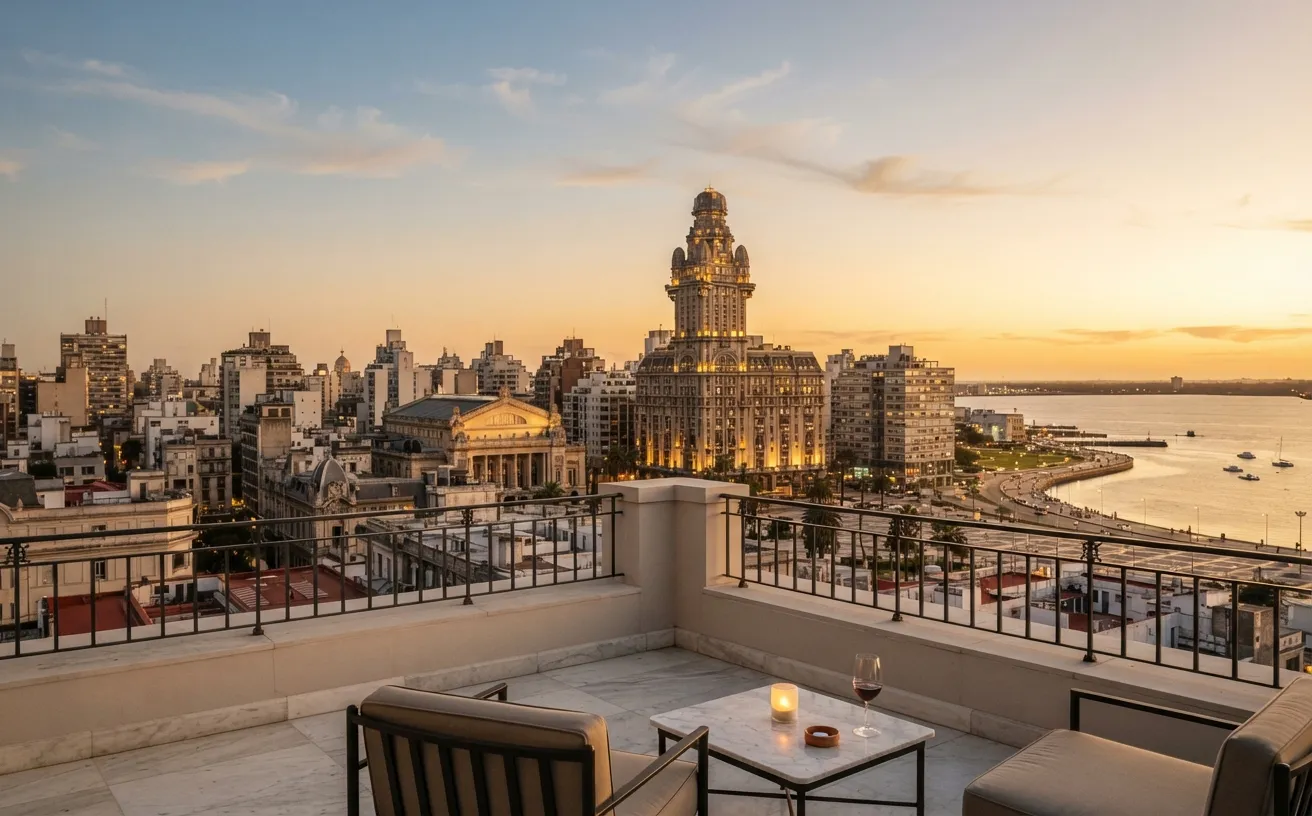
Montevideo is South America's most unhurried capital: a low, walkable city wrapped by 22 kilometres of Rambla, where art deco towers, cobbled Ciudad Vieja streets and wide river beaches sit within a few minutes of each other. It is relaxed, safe by regional standards and refreshingly uncrowded. Uruguay's Jewish life is concentrated almost entirely here, clustered in the leafy seaside neighbourhoods of Pocitos and Punta Carretas, where the Chabad House, the Sephardi congregation and the Yavne campus all sit within walking distance of one another and of most kosher dining.
3 shuls1 Nusach Ari (Chabad)1 Orthodox1 Sephardi
Guayaqui 3193, 11300 Montevideo
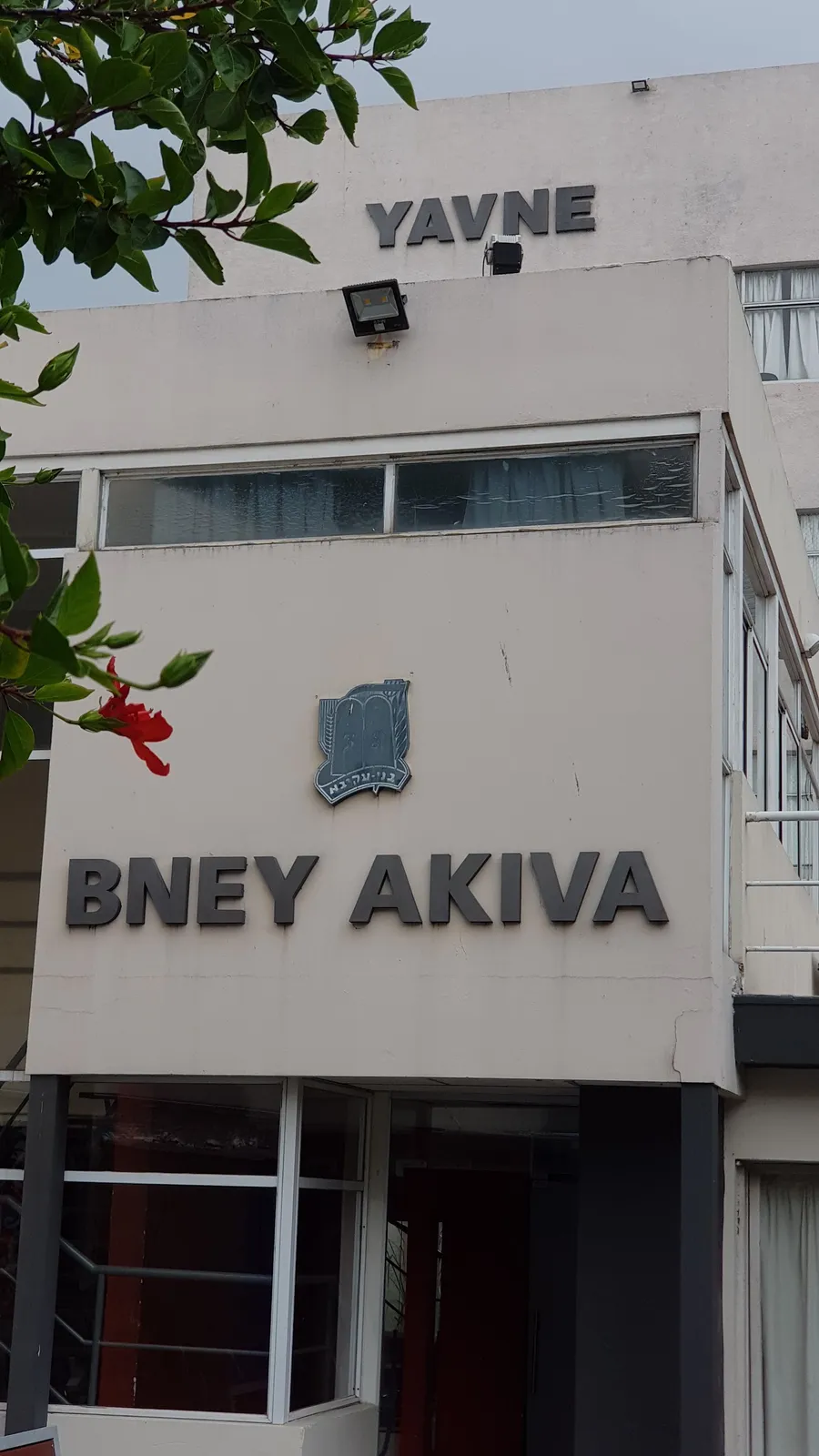
Luis B. Cavia 2800, 11300 Montevideo
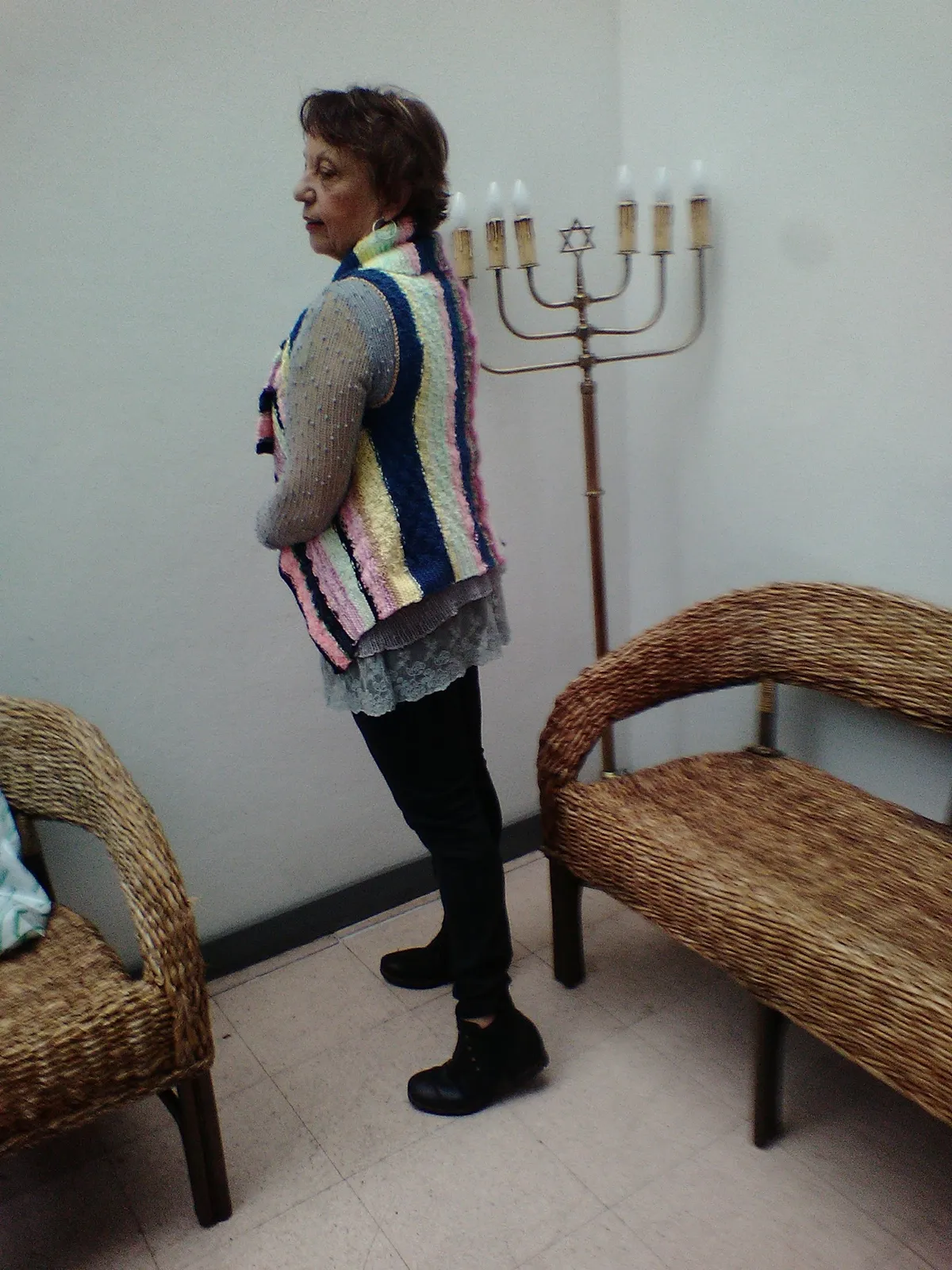
21 de Setiembre 3111, 11300 Montevideo
Montevideo has 3 shuls and minyanim: 1 Nusach Ari (Chabad), 1 Orthodox and 1 Sephardi.
Pick a place on the map or search an address or hotel to see what is kosher around it.
Citizens of the United States, Canada, the United Kingdom, the European Union, Israel and most of Latin America do not need a visa for tourist stays of up to 90 days. You will need a passport valid for the length of your stay.
Yes. Montevideo's tap water is treated and safe to drink throughout the city, and locals drink it without a second thought.
The Uruguayan peso. Cards are accepted almost everywhere, and foreign cards often receive an automatic VAT rebate on restaurant bills and hotel stays. Carry some cash for markets, small cafes and bus fares.
Widely, in hotels, larger restaurants and tourist businesses, though you will usually get a poorer rate than paying in pesos or by card.
Tipping is modest. Around 10 percent in restaurants is generous and often already appreciated rather than expected. Rounding up for taxis is normal.
Spanish. English is spoken in hotels and by younger people in tourist areas, but far less widely than in some neighbouring capitals, so a few words of Spanish go a long way.
230 volts at 50 Hz, with Type C, Type F and Type L sockets. Type L, the Italian three-pin, is the most distinctively Uruguayan, so bring a universal adaptor.
Generally yes, and the seaside neighbourhoods where most visitors stay are calm. Take normal city precautions with valuables in Ciudad Vieja after dark and near the port and bus terminal.
Temperate and humid, with four real seasons reversed from the northern hemisphere. Summer runs December to February and can reach the low thirties Celsius, winter runs June to August and is cool and damp rather than cold. Wind off the River Plate is constant year round.
Buses cover the city cheaply with an STM card, Uber and Cabify both operate, and licensed white and yellow taxis are metered and take cards. Much of what visitors want to see is walkable along the Rambla.
Yes. Colonia del Sacramento is about two and a half hours west by road, Punta del Este about two hours east, and both are comfortable day trips by bus or car.
Uruguayans eat late, with restaurants filling from 9:00 PM onward. Many museums close on Mondays, and shops often close for a long lunch outside the main shopping centres.
Yes, though on a schedule. Montevideo has kosher dairy cafes and bakeries keeping regular hours, a pareve restaurant, a delivery grocery, and two restaurants that serve under supervision only on set evenings, so it is worth planning meals around the days they operate.
Kosher pareve restaurant inside the Armon Suites hotel, open to the public · Pocitos
Kosher sushi served on Monday evenings only, under supervision · Punta Carretas
Kosher bakery on the Yavne community campus · Pocitos
Kosher dairy cafe and market at the Chabad House · Pocitos
Nusach Ari (Chabad) · Pocitos
Orthodox · Pocitos
Sephardi · Pocitos